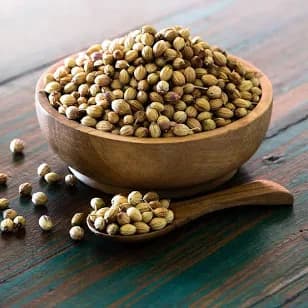
Cumin seeds have a strong, warm and slightly earthy aroma: the spice of curries, tagines, couscous and lentil dishes, whole or ground.
Where does cumin come from?
Cumin is a plant native to the Mediterranean basin and Asia. Its elongated, light brown seeds have flavoured cooking around the world for thousands of years.
What does cumin taste like?
Cumin has a strong, warm, slightly earthy aroma, with a spicy, lemony edge. It lifts a dish without masking the other ingredients.
What to use cumin seeds with
Cumin is a mainstay of Middle Eastern, Indian, Mexican and Mediterranean cooking. It flavours curries, tagines, couscous, vegetables, meat, pulses and bread.
It also goes into many spice blends.
How to use them
Toast the seeds in a dry pan, stirring, until they darken slightly and smell strong. Use them whole or ground in a mortar.
In Indian cooking, they are also sizzled for a few seconds in hot oil at the start of the recipe. One teaspoon is enough for a dish for four.
Whole or ground cumin?
Cumin seeds keep better and give more aroma once toasted. Ground cumin needs no preparation and goes straight into a marinade, a sauce or a soup.
Cumin or caraway?
Cumin and caraway have similar seeds but different flavours. Caraway, milder and aniseed-like, suits cabbage and bread; earthier cumin suits curries and tagines.
How to store cumin
Put the resealed bag in a drawer or cupboard, away from heat, daylight and moisture. We buy cumin in large quantities and repack it into small bags, which you finish before it loses its strength.
Where to buy cumin seeds
You can order cumin seeds on this page for delivery to a Mondial Relay pick-up point. In Provence, you will also find it at our weekly markets.
50 g pack: 3,00 € (60,00 € per kilo). Delivery in France to a Mondial Relay pick-up point from 4,90 €, free on orders of 100 € or more.
Going further
Cumin and coriander seeds, toasted together then ground, make a good curry base.
May contain traces of sesame, mustard, celery and gluten.